
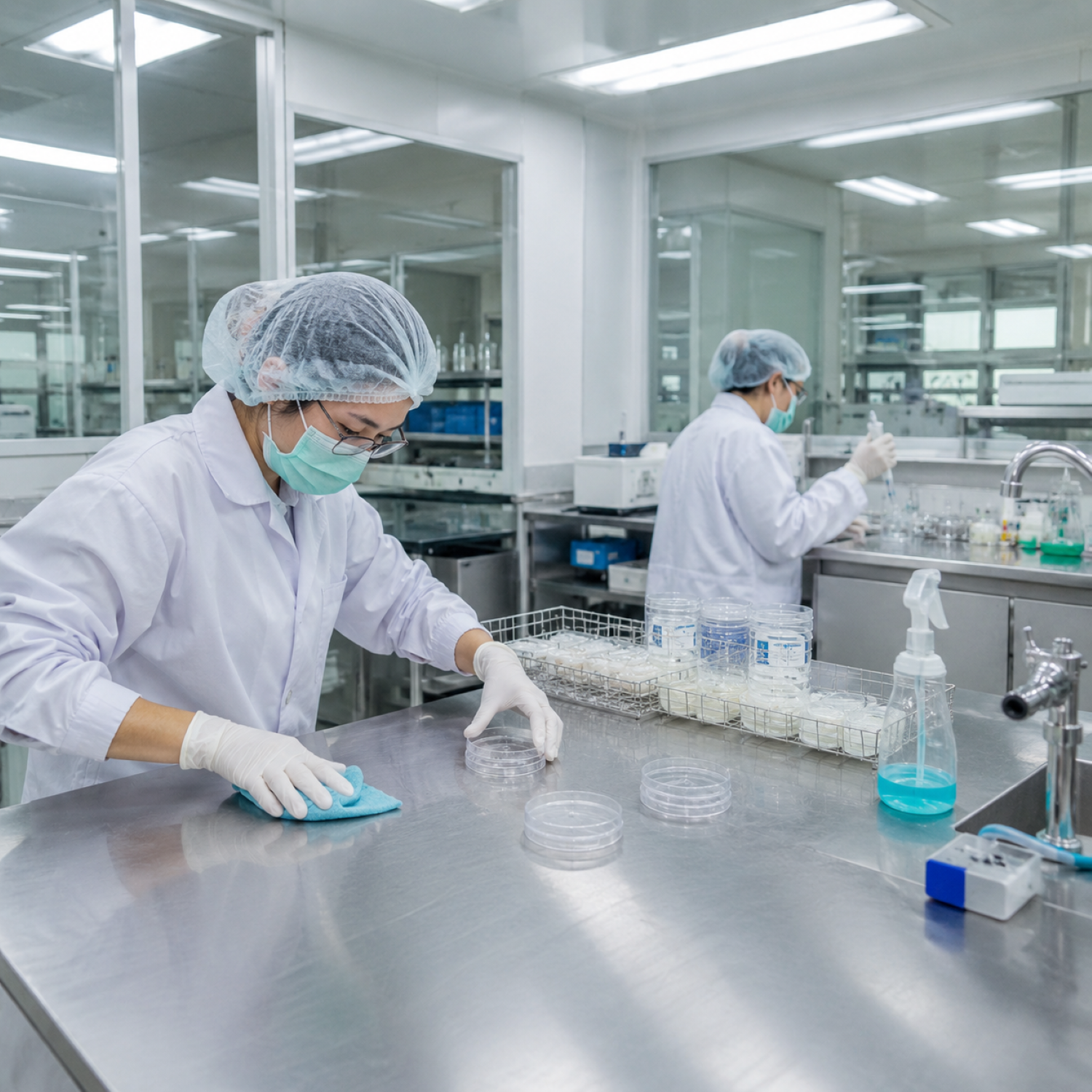
Busting Cleanliness Test Myths Friendly Tips That Actually Work
Common Misconceptions About Cleanliness Assessments
Many businesses struggle with understanding what cleanliness assessments truly involve. There are myths around how these tests are conducted, what they measure, and how results impact operational decisions. Clarifying these points helps avoid wasted resources and ensures accurate monitoring of hygiene standards across environments.
How Cleanliness Evaluations Actually Work
At its core, a cleanliness evaluation involves detecting contaminants or residues on surfaces to confirm if cleaning procedures meet set standards. The process often uses sampling methods like swabbing or tape lifting, followed by laboratory analysis or on-site measurement tools. Understanding the mechanism behind these steps is essential to interpret results correctly.
- Sampling technique matters: Improper collection can lead to false negatives or positives.
- Detection limits vary: Some tests detect visible debris, others detect microscopic residues.
- Surface type affects results: Porous materials require different methods than smooth metals or plastics.
Friendly Tips for Reliable Hygiene Verification
Getting accurate cleanliness results doesn’t have to be complicated. A few practical steps can make all the difference and bust common myths about testing reliability.
Step 1: Choose the right test method for your needs
Surface types, contamination type, and operational goals define whether visual inspection, ATP bioluminescence, or residue analysis is suitable.
Step 2: Standardize your sampling process
Consistency in how, when, and where samples are collected ensures that results reflect true cleanliness levels rather than random variation.
Step 3: Train personnel thoroughly
Well-trained staff reduce errors in sample collection and handling, improving confidence in the data.
Step 4: Use the data to improve processes
Analyze test results to identify weak points in cleaning routines and adjust procedures accordingly.
Why Reliable Cleanliness Verification Adds Value
Accurate hygiene testing safeguards product quality and brand reputation by preventing contamination issues. It also helps meet regulatory requirements without unnecessary overspending on over-cleaning. For companies ready to optimize their protocols, understanding and applying proper assessment techniques is key.
To dig deeper into practical implementation, exploring expert services in cleanliness test can provide tailored support that fits specific operational contexts.
| Myth | Reality |
|---|---|
| Visual inspection alone is enough | Microscopic residues require specific detection methods beyond the naked eye |
| All cleanliness tests are the same | Various tests target different contaminants and require matching methods |
| Testing can replace proper cleaning | Testing verifies cleaning effectiveness but cannot fix poor cleaning routines |
What Makes a Cleanliness Test Reliable
Reliability hinges on choosing the appropriate approach, adhering to standardized procedures, and ensuring proper interpretation of results. Avoid shortcuts in sampling or analysis to maintain the integrity of hygiene verification.
Understanding these points helps move beyond myths toward practical cleanliness management that truly works and supports business goals.